MMA Training for Beginners: What to Expect in Your First Class
Sep 06, 2026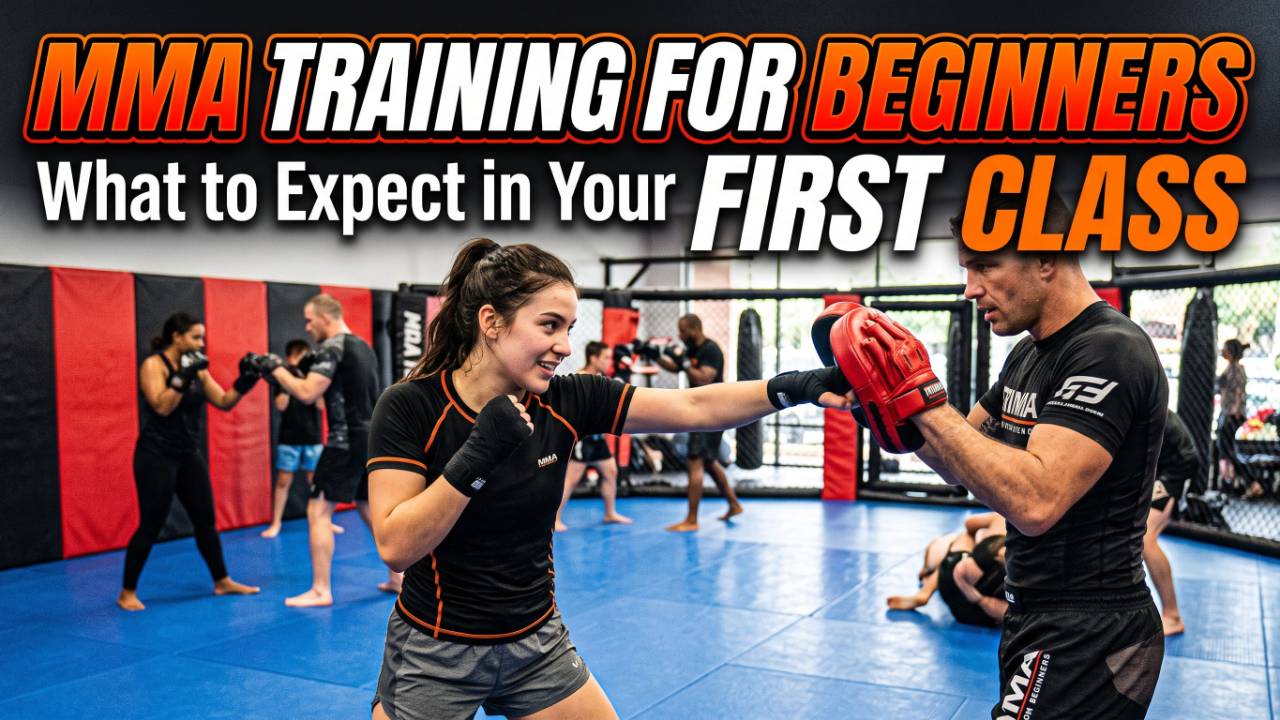
MMA Training for Beginners: What to Expect in Your First Class
Starting MMA can feel intimidating if you have never trained before. You may wonder if you need to be fit, flexible, experienced, or already know how to punch, kick, wrestle, or grapple.
The short answer: you do not need experience to begin.
A good beginner MMA program is designed to teach fundamentals safely, step by step. At The MMA Academy, beginners learn how to move, strike, defend, grapple, and build confidence without being thrown into situations they are not ready for.
What is MMA training?
MMA stands for mixed martial arts. It combines techniques from several combat sports, including boxing, kickboxing, Muay Thai, wrestling, Brazilian Jiu-Jitsu, and submission grappling.
A beginner MMA class usually focuses on the core skills every student needs:
- Footwork and stance
- Basic punches and kicks
- Defensive movement
- Takedown awareness
- Ground positioning
- Escapes and control
- Conditioning for combat sports
You do not learn everything at once. The goal is to build a strong base so each skill connects to the next.
Do you need to be in shape before starting MMA?
No. MMA training helps you get in shape.
Many beginners wait because they think they need to lose weight, improve cardio, or build strength first. That is not necessary. A quality academy will scale training to your current level.
In your first few weeks, you should focus on showing up consistently, learning proper technique, and improving gradually. Fitness comes as a result of training.
What happens in a beginner MMA program?
Most beginner classes follow a simple structure.
Warm-up
Class usually begins with movement drills, light cardio, mobility work, and basic bodyweight exercises. The goal is to prepare your joints, muscles, and nervous system for training.
Technique instruction
The coach demonstrates a specific skill, such as a jab-cross combination, a kick defense, a takedown entry, or a basic ground escape. You will learn how the technique works and when to use it.
Partner drilling
You practice the technique with a partner at a controlled pace. This is not a fight. Drilling is how you develop timing, balance, and muscle memory.
Skill rounds
Some classes include light, focused rounds where you apply the lesson with resistance. For beginners, this should be controlled and supervised.
Cooldown and review
Class may finish with stretching, breathing, and a quick recap of what you learned.
What should you bring to your first MMA class?
For your first class, bring:
- Athletic clothes that fit well
- A water bottle
- A towel
- Flip-flops or slides for walking off the mat
- A mouthguard if you already have one
- Boxing gloves or shin guards if the academy asks for them
If you do not own gear yet, ask the academy before buying anything. The MMA Academy can help you understand what equipment you actually need, so you do not waste money on the wrong gear.
Will you have to spar on your first day?
You should not be forced to spar on your first day.
Sparring is an important part of MMA, but it must be introduced at the right time. Beginners need to learn basic defense, control, and safety before live sparring.
A responsible MMA program builds students through drilling, positional work, technical rounds, and supervised progression.
Is MMA training safe for beginners?
MMA is a contact sport, so safety matters. The right environment makes a major difference.
Look for an academy that emphasizes:
- Clear instruction
- Controlled drilling
- Respectful training partners
- Proper warm-ups
- Clean mats and equipment
- Coaches who supervise closely
- No pressure to fight or spar before you are ready
At The MMA Academy, the goal is to help students improve without reckless training. Beginners should leave class challenged, not overwhelmed.
How often should beginners train MMA?
Two to three classes per week is a strong starting point for most beginners.
This schedule gives your body time to recover while helping you build consistency. As your conditioning improves, you can add more sessions or focus on specific areas such as striking, grappling, or strength and conditioning.
What will you learn in your first month?
In the first month of MMA training, most beginners start to understand:
- How to stand and move correctly
- How to throw basic strikes with balance
- How to defend simple attacks
- How to fall and move safely
- How to control breathing under pressure
- How to work with a training partner
- How to stay calm while learning new skills
Progress may feel slow at first. That is normal. MMA has many layers. The key is to build clean fundamentals.
The best way to start MMA training
The best way to start is simple: take a beginner-friendly class with qualified coaches.
You do not need to be an athlete. You do not need previous martial arts experience. You only need a willingness to learn, listen, and train consistently.
If you are ready to try MMA training for beginners, The MMA Academy can help you take the first step safely and confidently.
Book a free trial trial at the MMA Academy: BOOK NOW