Kids MMA Classes: What Parents Should Know Before Signing Up
Oct 03, 2026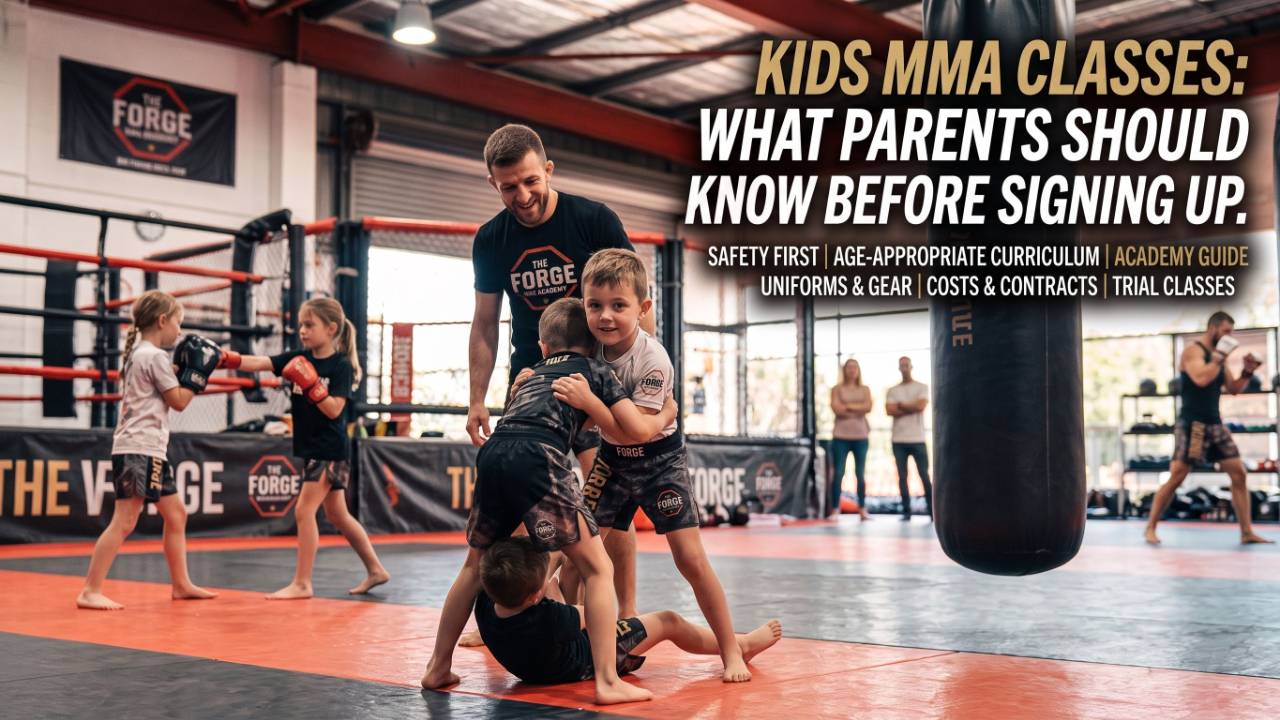
Kids MMA Classes: What Parents Should Know Before Signing Up
Kids MMA classes can help children build confidence, discipline, coordination, fitness, and practical self-defense skills. For many families, martial arts becomes more than an after-school activity. It becomes a structured environment where kids learn how to work hard, listen, respect others, and handle challenges.
If you are considering MMA training for your child, it is normal to have questions about safety, contact, coaching, and what classes actually involve.
Here is what parents should know.
What is kids MMA?
Kids MMA introduces children to age-appropriate martial arts skills from different disciplines. Depending on the program, classes may include elements of:
- Boxing footwork
- Kickboxing basics
- Wrestling movement
- Brazilian Jiu-Jitsu positions
- Takedown defense
- Balance and coordination drills
- Fitness games
- Self-defense concepts
A good kids program is not a fight club. It is structured martial arts training designed around safety, learning, discipline, and personal development.
Is MMA safe for kids?
Kids MMA can be safe when it is taught by qualified coaches in a controlled environment.
Safety depends on how the program is run. Children should not be thrown into hard sparring or uncontrolled contact. They should learn movement, technique, defense, balance, and respect first.
A safe kids MMA program includes:
- Age-appropriate instruction
- Clear rules
- Supervised partner drills
- Controlled contact
- Proper warm-ups
- Clean mats and equipment
- Coaches who manage behavior
- A focus on learning, not fighting
At The MMA Academy, youth training should help kids grow in confidence and skill while keeping safety and structure at the center.
What are the benefits of kids MMA classes?
Kids MMA offers physical, mental, and social benefits.
Confidence
Children gain confidence by learning real skills and seeing their own progress. They learn that improvement comes from effort and consistency.
Discipline
Martial arts classes require listening, following instructions, taking turns, and respecting coaches and training partners.
Fitness
Kids improve strength, balance, flexibility, coordination, speed, and endurance through active training.
Focus
MMA training requires attention. Kids learn to watch, listen, practice, and adjust.
Respect
A healthy martial arts program teaches students to treat partners with care. They learn that skill comes with responsibility.
Self-defense awareness
Kids learn how to move, create space, protect themselves, and stay calm. They also learn that martial arts should be used responsibly.
Will kids learn to fight?
Kids will learn martial arts skills, but the goal is not to make them aggressive.
In a good program, children learn control. They learn when not to use force. They learn respect for coaches, classmates, and themselves.
The best kids MMA programs teach confidence without bullying behavior.
What should parents look for in a kids MMA academy?
Before signing up, visit the academy and watch how classes are run.
Look for:
- Coaches who communicate clearly with children
- Classes organized by age or skill level when possible
- A positive and respectful environment
- Clean training areas
- Controlled partner work
- Clear safety rules
- Encouragement without chaos
- A balance of fun and discipline
Avoid programs where kids are unsupervised, overly rough, or pressured into contact they are not ready for.
What does a kids MMA class usually include?
A youth MMA class often includes:
Warm-up
Games, mobility drills, running, jumping, crawling, and movement exercises help kids prepare for training.
Skill lesson
The coach teaches a specific technique, such as stance, footwork, a basic escape, a safe takedown movement, or a defensive position.
Partner practice
Children practice with a partner under supervision. The focus is control, cooperation, and proper technique.
Drills or games
Skill-based games help kids improve balance, reaction time, coordination, and focus while keeping class engaging.
Review
Class may end with a recap, encouragement, and reminders about respect and practice.
What age should kids start MMA?
The right age depends on the child and the program. Some children are ready for structured martial arts at a young age, while others do better when they are a little older.
Readiness often depends on whether the child can:
- Follow basic instructions
- Listen to a coach
- Work safely with partners
- Handle group activities
- Stay engaged for the class length
If you are unsure, a trial class is the best way to see whether your child is ready.
What gear do kids need?
Gear requirements vary by academy and class type. Common items may include:
- Comfortable athletic clothes
- Water bottle
- Mouthguard
- Boxing gloves
- Shin guards
- Rash guard or training shirt
Before buying equipment, ask the academy what is required. The MMA Academy can help parents choose the right gear for their child’s class level.
How often should kids train?
One to three classes per week can work well, depending on age, schedule, and interest level.
Younger kids may start with one or two classes per week. Older kids who enjoy training may benefit from more frequent practice.
The goal is steady progress without burnout.
Kids MMA should build character, not ego
The best youth martial arts programs help children become stronger, calmer, more respectful, and more confident.
Kids MMA is not only about learning techniques. It is about learning effort, patience, discipline, and responsibility.
If you want your child to build practical skills in a structured and supportive environment, The MMA Academy can help them start the right way.
Book a free trial class